


Taurine Synthesis Process Package for Chemical Manufacturing
CAS No.: 107-35-7
Taurine Process Package for Chemical Manufacturing provides a reliable and efficient solution for large-scale production of high-purity taurine via the ethylene oxide route, ensuring stable operation, optimized yield, and consistent product quality.


Taurine Synthesis Process Package Typical Usage
Taurine is widely used in food and beverages, pharmaceuticals, and animal nutrition, supporting energy drinks, health supplements, and functional additives for improved metabolism and overall wellness.
- Widely applied in energy drinks to support stamina, hydration, and physical performance.
- Used in pharmaceutical formulations for cardiovascular, neurological, and metabolic support.
- Added to infant formula and functional foods to aid development and nutritional balance.
- Incorporated in animal feed to enhance growth, immunity, and overall health performance.
- Utilized in cosmetics as a conditioning agent for skin hydration and cellular protection.
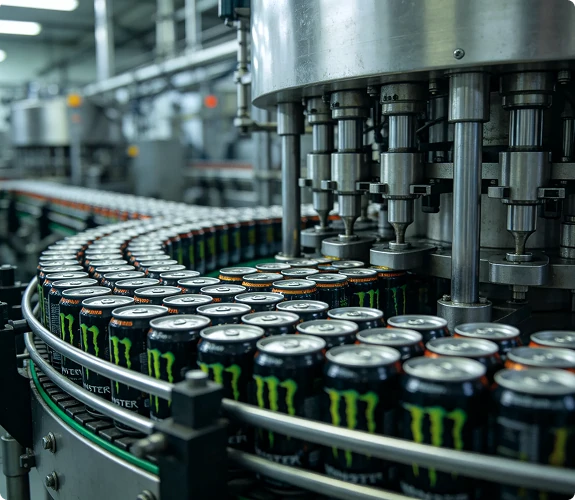
Taurine Production Process
The taurine production process involves ethylene oxide reacting with sodium bisulfite, followed by ammoniation and acidification, then purification, crystallization, and drying to obtain high-purity product.
Main Raw Materials for Pentaerythritol Production
Ethylene Oxide
A highly reactive intermediate used in the addition step, ethylene oxide undergoes ring-opening reactions and directly impacts conversion efficiency, selectivity, and overall taurine yield.
Sulfur Dioxide
Sulfur dioxide is used to generate sodium bisulfite in situ, serving as a key sulfur source and influencing reaction stability and upstream process efficiency.
Caustic Soda
Caustic soda reacts with sulfur dioxide to form sodium bisulfite, playing a crucial role in maintaining proper reaction conditions and ensuring consistent intermediate formation.
Liquid Ammonia
Applied in the ammoniation stage, liquid ammonia converts intermediates into amino compounds, with operating conditions affecting product quality and reaction efficiency.
Sulfuric Acid
Sulfuric acid is used in the final acidification step to produce taurine and separate by-products, enabling efficient crystallization and downstream purification.
Integrated Reaction Mechanism and Process Engineering
The process integrates ethylene oxide addition, ammoniation, and acidification through controlled reaction conditions, optimizing heat transfer, mass transfer, and kinetics to improve yield, reduce by-products, and ensure stable, efficient continuous production.
Taurine Synthesis Process Package Core Advantage
The core advantage of the Taurine Process Package lies in its optimized reaction conditions, ensuring high yield, purity, and scalability while minimizing energy consumption and operational costs for large-scale production.
High Yield Efficiency
The Taurine Process Package maximizes yield while minimizing waste, optimizing reaction conditions to ensure high efficiency and cost-effectiveness in large-scale production, reducing overall costs.
Scalability
Designed for flexibility, the package is easily scalable, suitable for both small-scale and large-scale operations, allowing manufacturers to meet varying production demands without compromising quality.
Sustainability
With an emphasis on sustainable practices, the process package reduces energy consumption, minimizes environmental impact, and promotes the use of eco-friendly technologies during production.
Cost-Effectiveness
By optimizing production steps and minimizing resource consumption, the Taurine Process Package ensures cost-effective operations while maintaining product quality and consistency.
Taurine Synthesis Process Package Function
The Taurine Process Package functions to streamline the entire production cycle, from raw material processing to final product output, ensuring high yield, consistency, and scalability while reducing energy consumption and operational costs.
Integrated Process Control and Optimization
This package enables coordinated control of reaction stages, material flows, and operating parameters, improving efficiency, reducing variability, and ensuring stable, high-quality taurine production.
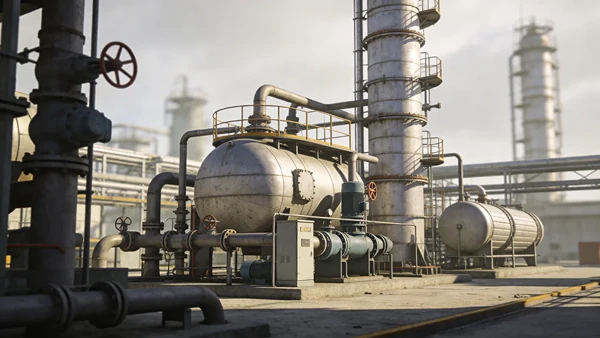
Taurine Synthesis Process Package Process Flow
The process flow includes bisulfite preparation, ethylene oxide addition, ammoniation, acidification, followed by purification, crystallization, separation, and drying to produce high-purity taurine.
1
Bisulfite Preparation
Sulfur dioxide is absorbed into aqueous caustic soda to generate sodium bisulfite solution, which serves as the key reactant for the addition step.
2
Addition Reaction (Isethionate Formation)
Ethylene oxide reacts with sodium bisulfite to form sodium isethionate via a ring-opening addition reaction, typically achieving high conversion efficiency.
3
Ammonolysis Reaction
Sodium isethionate undergoes ammonolysis with ammonia under elevated temperature and pressure to produce sodium taurinate, a critical intermediate.
4
Acidification
The sodium taurinate solution is treated with sulfuric acid to generate taurine while forming sodium sulfate as a by-product.
5
Separation and Purification
The reaction mixture is subjected to impurity removal, decolorization, and filtration to improve product purity and remove inorganic salts and organic by-products.
6
Crystallization and Drying
Purified solution is concentrated and crystallized, followed by centrifugation and drying to obtain high-purity taurine product.
Taurine Synthesis Process Package FAQ
Q1: What production capacity can this taurine process package support?
The package is designed for flexible scale-up, supporting medium to large industrial production capacities with stable and continuous operation.
Q2: What raw materials are required for this process?
The process mainly uses ethylene oxide, sulfur dioxide, caustic soda, liquid ammonia, and sulfuric acid as core raw materials.
Q3: How is product quality ensured during production?
Quality is ensured through precise control of reaction conditions, purification steps, and standardized crystallization and drying processes.
Q4: Is the process suitable for continuous operation?
Yes, the process can be configured for continuous or semi-continuous operation, improving efficiency, consistency, and overall production performance.



Start Your Chemical Engineering Project
Start Your Chemical Engineering Project
*We respect your confidentiality and all information is protected.