


Neopentyl Glycol Process Package for Chemical Manufacturing
CAS No.: 126-30-7
Our Neopentyl Glycol process package applies advanced condensation hydrogenation technology, delivering high yield, stable operation, efficient energy use, and high-purity NPG for chemical manufacturing applications.


Neopentyl Glycol Production Process Package Typical Usage
Neopentyl Glycol is widely used in polyester resins, alkyd resins, lubricants, and plasticizers, offering excellent stability, weather resistance, and hydrolysis resistance for coatings and engineering materials.
- Used in the production of unsaturated polyester resins for coatings and adhesives.
- Applied in plasticizer manufacturing to enhance flexibility and thermal stability in plastics.
- Essential for producing high-performance lubricants with improved viscosity and stability.
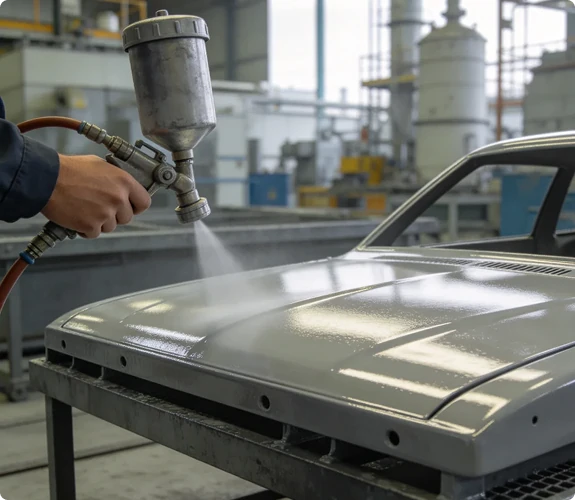
- Utilized in the creation of coatings for automotive and industrial applications, offering durability.
- Key ingredient in the production of stabilizers for PVC and other plastics.
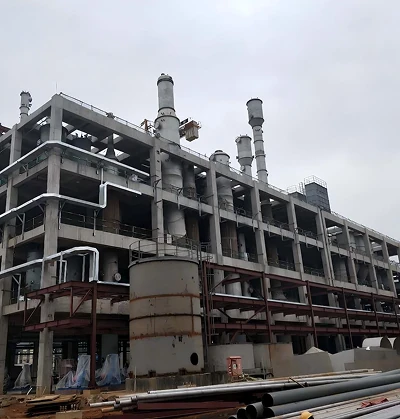
Neopentyl Glycol Production Process Package
The Neopentyl Glycol Production Process involves the reaction of formaldehyde and isobutyraldehyde, followed by hydrogenation, distillation, and purification to produce high-purity neopentyl glycol for various industrial applications.
Main Raw Materials for Pentaerythritol Production
Isobutyraldehyde
High-purity isobutyraldehyde serves as the key carbon source, reacting with formaldehyde in the condensation step to form HPA, directly affecting conversion rate and overall yield.
Formaldehyde Solution
Formaldehyde (37% aqueous) participates in aldol condensation with isobutyraldehyde, and its concentration and purity significantly influence reaction efficiency and selectivity.
Hydrogen
Hydrogen is used in the catalytic hydrogenation stage to convert HPA into neopentyl glycol, where purity and stable supply are essential for high conversion and catalyst performance.
Trimethylamine Catalyst
Trimethylamine acts as an organic base catalyst in the condensation reaction, offering low corrosion, recyclability, and improved selectivity compared to traditional inorganic catalysts.
Integrated Reaction Mechanism and Process Engineering
The integrated reaction mechanism and process engineering for neopentyl glycol production focus on optimizing the chemical reaction between formaldehyde and isobutyraldehyde. By carefully controlling temperature, pressure, and catalyst selection, the process achieves high efficiency, maximizing yield and minimizing by-products. Advanced engineering techniques ensure smooth integration of each step, from raw material preparation to purification, while maintaining scalability for large-scale production.
Neopentyl Glycol Production Process Package Core Advantage
The core advantage of the Neopentyl Glycol Production Process Package lies in its high efficiency, optimized reaction conditions, and scalable design, ensuring consistent product quality, minimal energy consumption, and cost-effective production.
High Yield and Efficiency
Optimized reaction and recovery systems enable high conversion of raw materials, achieving excellent overall yield while reducing losses and improving process economics.
Advanced Catalytic System
Organic amine and copper-based catalysts ensure high selectivity, low corrosion, long service life, and stable performance across both condensation and hydrogenation stages.
Energy Saving Design
Efficient heat integration, external circulation cooling, and hydrogen recycling significantly reduce energy consumption and operating costs.
Stable and Safe Operation
Continuous process with DCS and SIS control systems ensures stable operation, precise parameter control, and high safety standards throughout production.
Neopentyl Glycol Production Process Package Function
The Neopentyl Glycol Production Process Package functions to streamline the entire manufacturing cycle, ensuring efficient chemical reactions, high yields, consistent product quality, and scalability, all while reducing energy consumption and operational costs.
Integrated Production and Process Control
Our process package integrates condensation, hydrogenation, distillation, and recycling into a continuous system, enabling efficient conversion of raw materials into high-purity NPG while ensuring stable operation, reduced emissions, and optimized energy utilization.
Neopentyl Glycol Production Process Package Process Flow
The Neopentyl Glycol Production Process Flow involves condensation to form HPA, hydrogenation to produce NPG, followed by distillation, purification, and recycling of unreacted materials for efficient production.
1
Condensation Reaction
Isobutyraldehyde reacts with formaldehyde under trimethylamine catalyst to form HPA in two reactors, with heat removed by external circulation to ensure stable operation.
2
Catalytic Hydrogenation
HPA is hydrogenated in reactors with copper catalyst, using two-stage reaction to achieve over 99% conversion under controlled temperature conditions.
3
Product Purification
Crude NPG solution is purified by vacuum distillation, removing light components and heavy residues to obtain high-purity neopentyl glycol product.
4
Product Forming and Packaging
Molten NPG is solidified into flakes or prepared as aqueous solution, then conveyed, cooled, and packed under controlled conditions to ensure product quality.
Neopentyl Glycol Production Process Package FAQ
Q1: What are the benefits of using the Neopentyl Glycol Production Process Package?
The package ensures high yield, consistent product quality, energy efficiency, and scalability, making it ideal for large-scale industrial production.
Q2: What raw materials are required for Neopentyl Glycol production?
The primary raw materials are formaldehyde and isobutyraldehyde, which undergo a catalytic reaction to form neopentyl glycol.
Q3: Is the Neopentyl Glycol Production Process scalable?
Yes, the process is highly scalable, designed to meet the production demands of both small-scale and large industrial operations, ensuring flexibility for various market needs.
Q4: Which industries can benefit from the Neopentyl Glycol Production Process Package?
Industries such as coatings, plasticizers, automotive, and lubricants benefit from this process, as it produces neopentyl glycol used in resins, lubricants, and coatings.



Start Your Chemical Engineering Project
Start Your Chemical Engineering Project
*We respect your confidentiality and all information is protected.