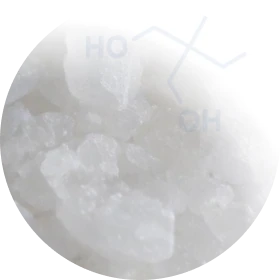

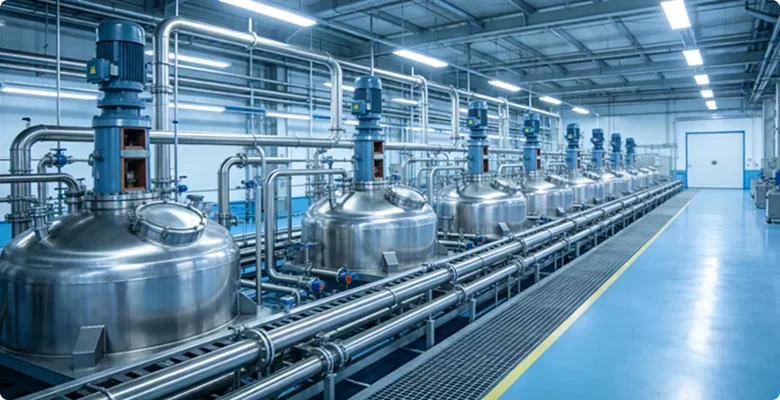
Pentaerythritol (PE) is one of the most important polyol intermediates used in coatings, resins, lubricants, and plastic additives. With the continuous expansion of the global coatings and synthetic materials market, industrial demand for high-purity pentaerythritol has steadily increased. Modern chemical plants are therefore focusing on improving process efficiency, reducing energy consumption, and enhancing product purity through advanced process package design and continuous production technology.
Overview of the Pentaerythritol Production Process
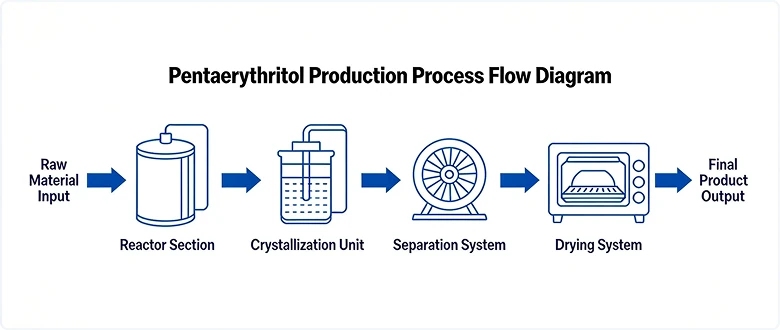
Pentaerythritol is typically produced through the aldol condensation reaction between formaldehyde and acetaldehyde in the presence of an alkaline catalyst. The reaction produces pentaerythritol along with by-products such as dipentaerythritol and other polyols. The overall production process involves several key stages including reaction, neutralization, crystallization, separation, and drying.
How Reverse Osmosis Technology Works
Reverse osmosis works by applying pressure to feed water and forcing it through RO membranes. The membranes allow only water molecules to pass while rejecting dissolved solids and impurities. The process produces purified permeate and concentrated reject water.
Core Separation Mechanism
The membrane pore size in RO systems is extremely small, allowing removal of up to 99% of dissolved salts and contaminants. This high rejection rate ensures consistent and reliable water quality for industrial applications.
Continuous Crystallization and Separation Technology
Crystallization is one of the most critical stages in pentaerythritol production. Efficient crystallization determines product purity, crystal size distribution, and downstream separation efficiency.
Continuous crystallization systems offer several advantages compared with traditional batch crystallization, including better temperature control, improved product uniformity, and higher production capacity.
How Reverse Osmosis Technology Works
In modern PE production units, mother liquor recycling technology is widely used to recover valuable intermediates and reduce raw material losses. By integrating advanced separation and purification steps, the process can significantly improve overall resource utilization.
Energy Optimization in Crystallization Systems
Energy consumption during crystallization can be reduced through heat integration, optimized cooling profiles, and advanced process control strategies. These improvements not only lower operational costs but also enhance the sustainability of the production plant.
Process Package Engineering for Industrial Plants
A complete pentaerythritol process package includes process flow diagrams, equipment specifications, control strategies, and engineering documentation required for plant construction and operation.
Engineering companies specializing in organic chemical process design provide customized solutions tailored to plant capacity, raw material availability, and product grade requirements.
Core Equipment in PE Production Units
Typical equipment used in a pentaerythritol production unit includes:
- Reaction system
- Continuous crystallization equipment
- Solid-liquid separation equipment
- Drying systems
These systems must be carefully integrated to ensure stable operation and high product purity
Future Trends in Polyol Process Technology
With the rapid development of advanced materials and green chemical technologies, polyol production processes are moving toward higher efficiency, lower emissions, and increased automation.
Continuous processing technology, digital process control, and integrated process package engineering are becoming key factors in improving competitiveness in the global chemical industry.